01174 621101


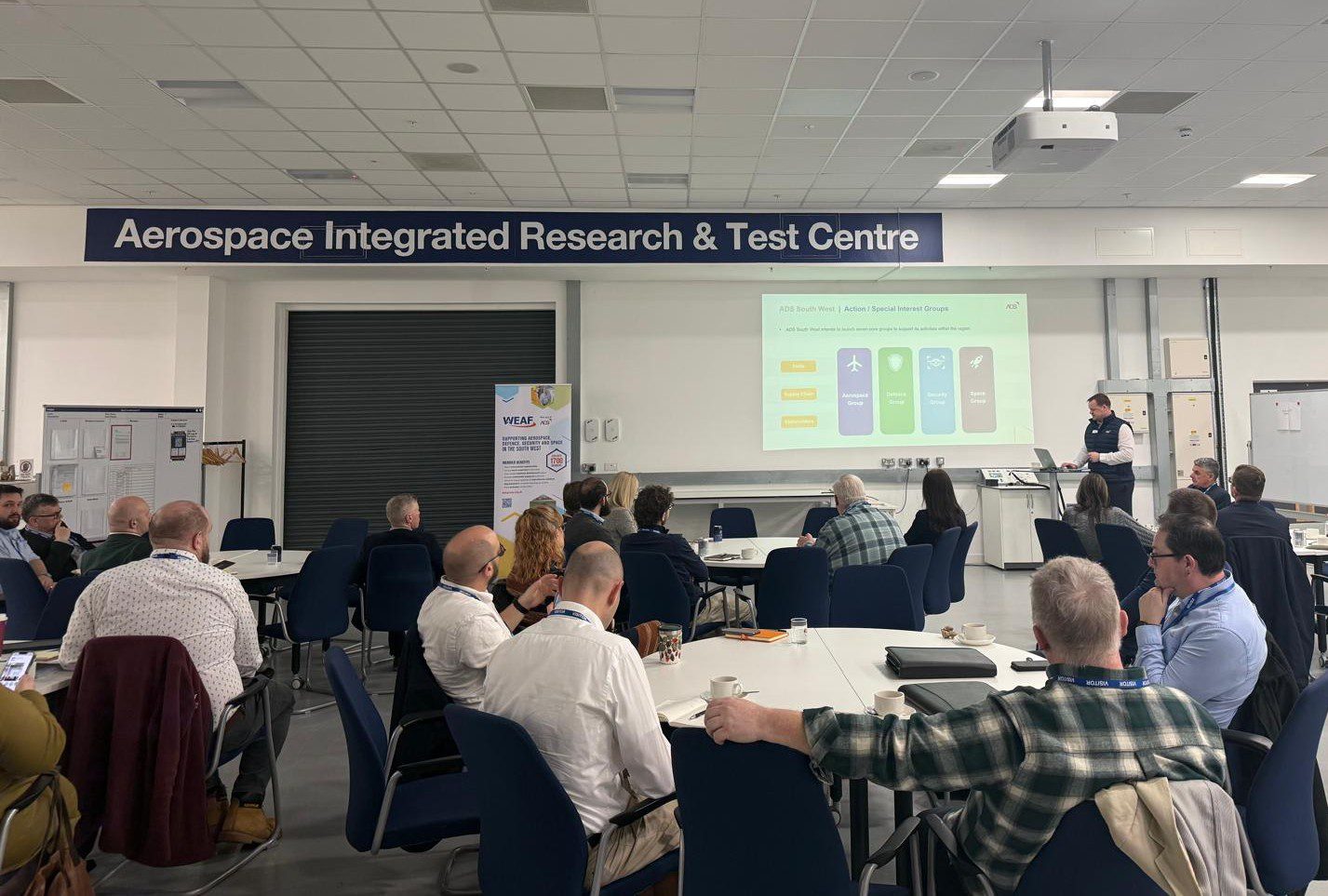
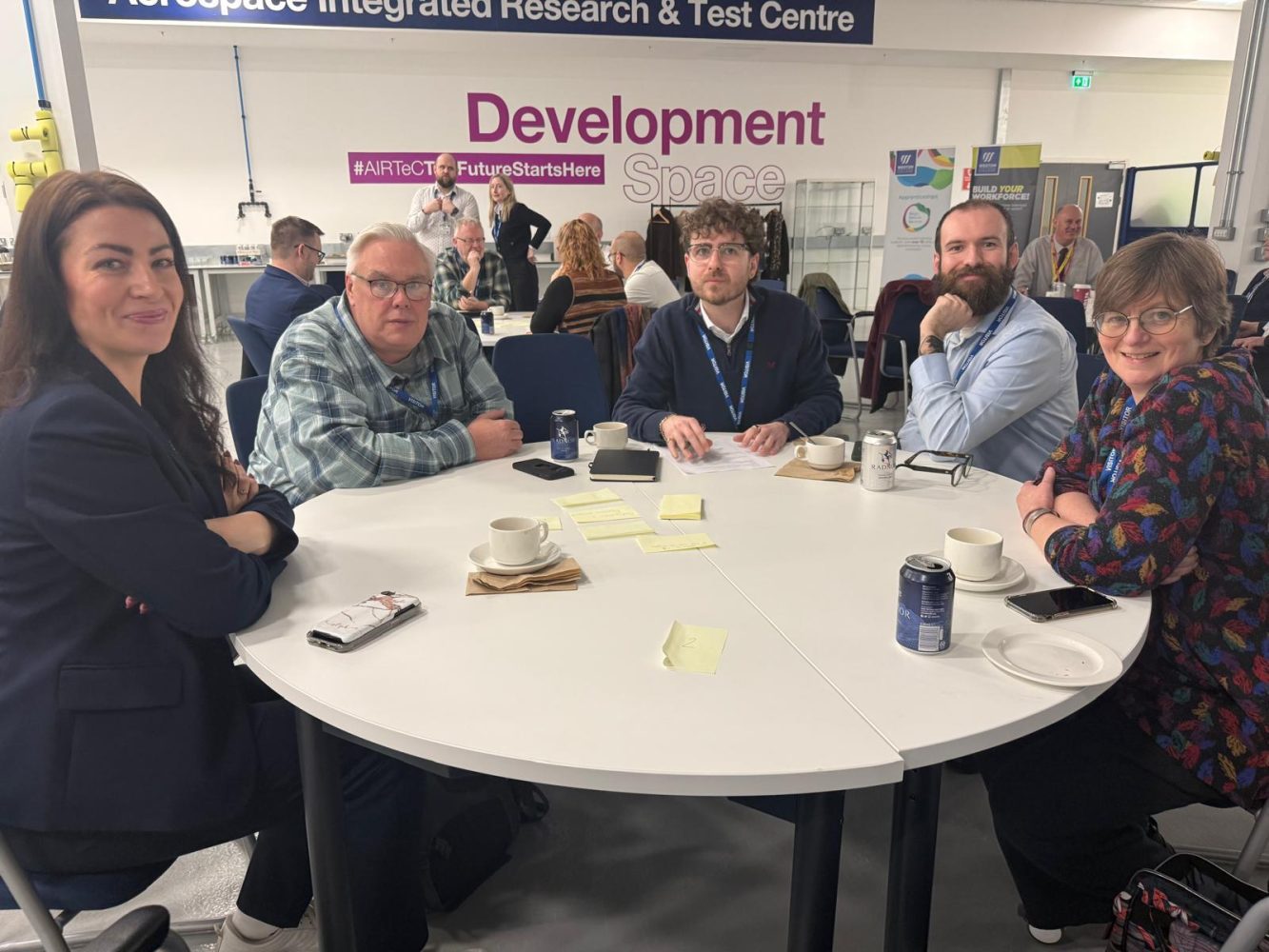
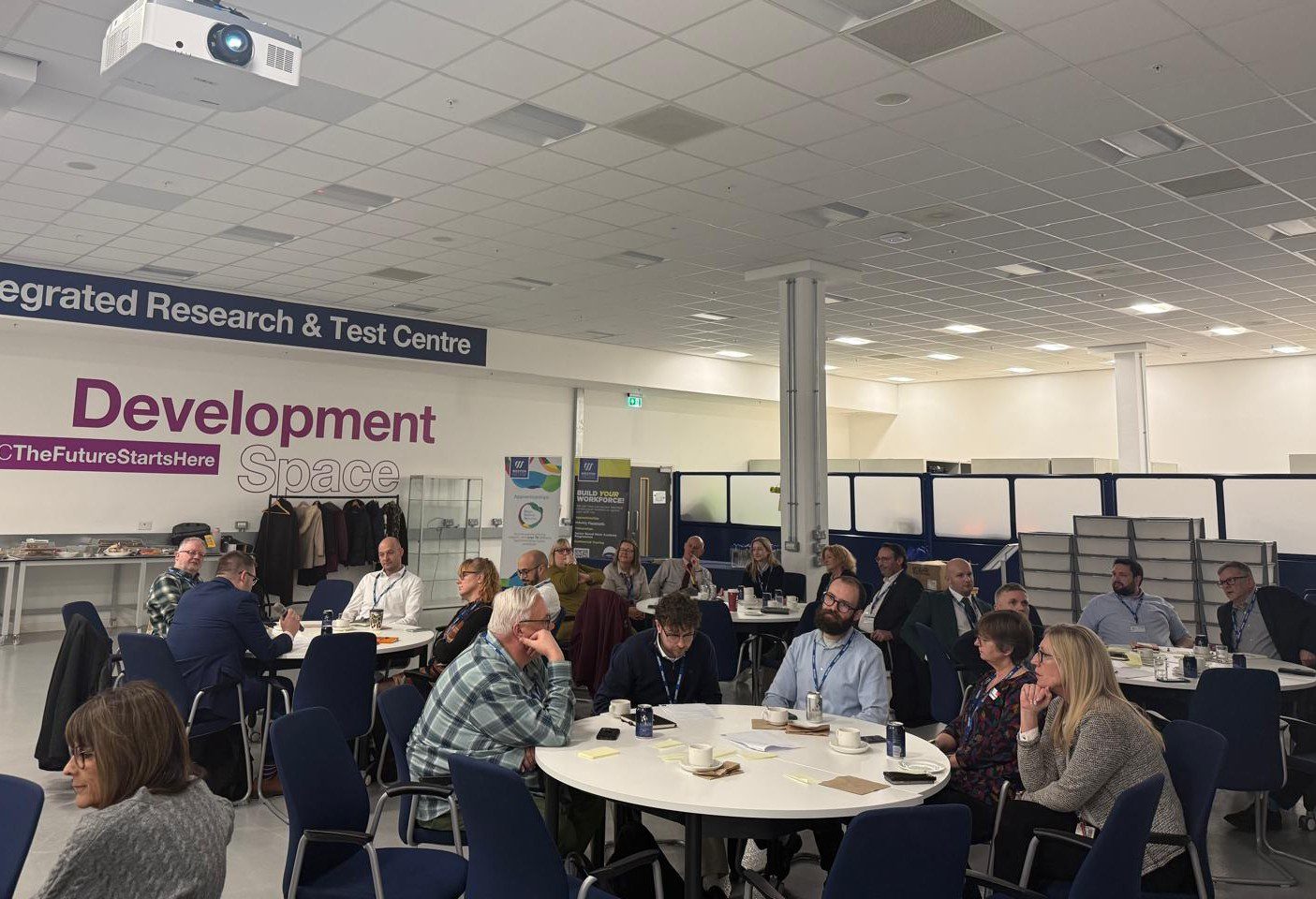
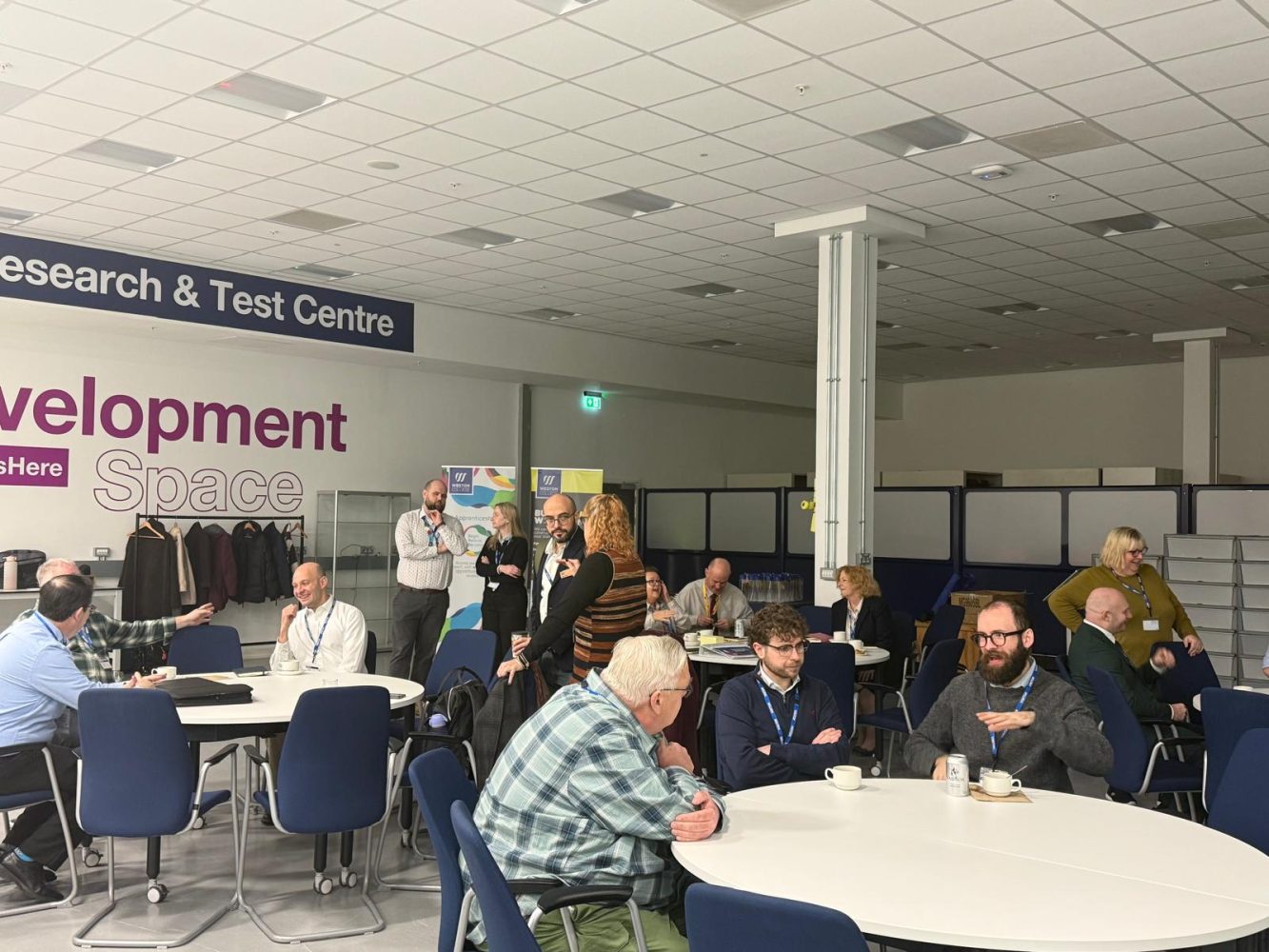
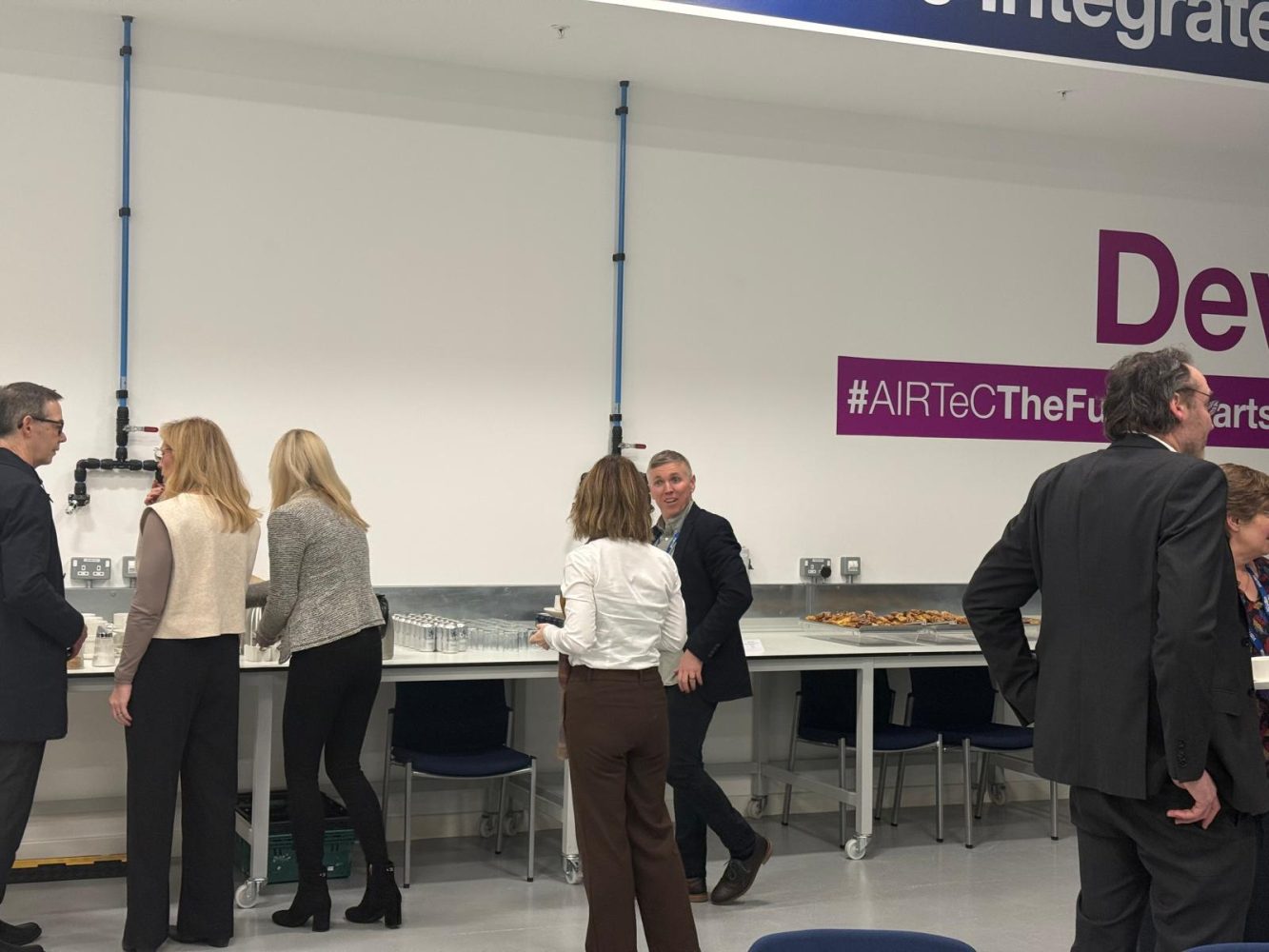
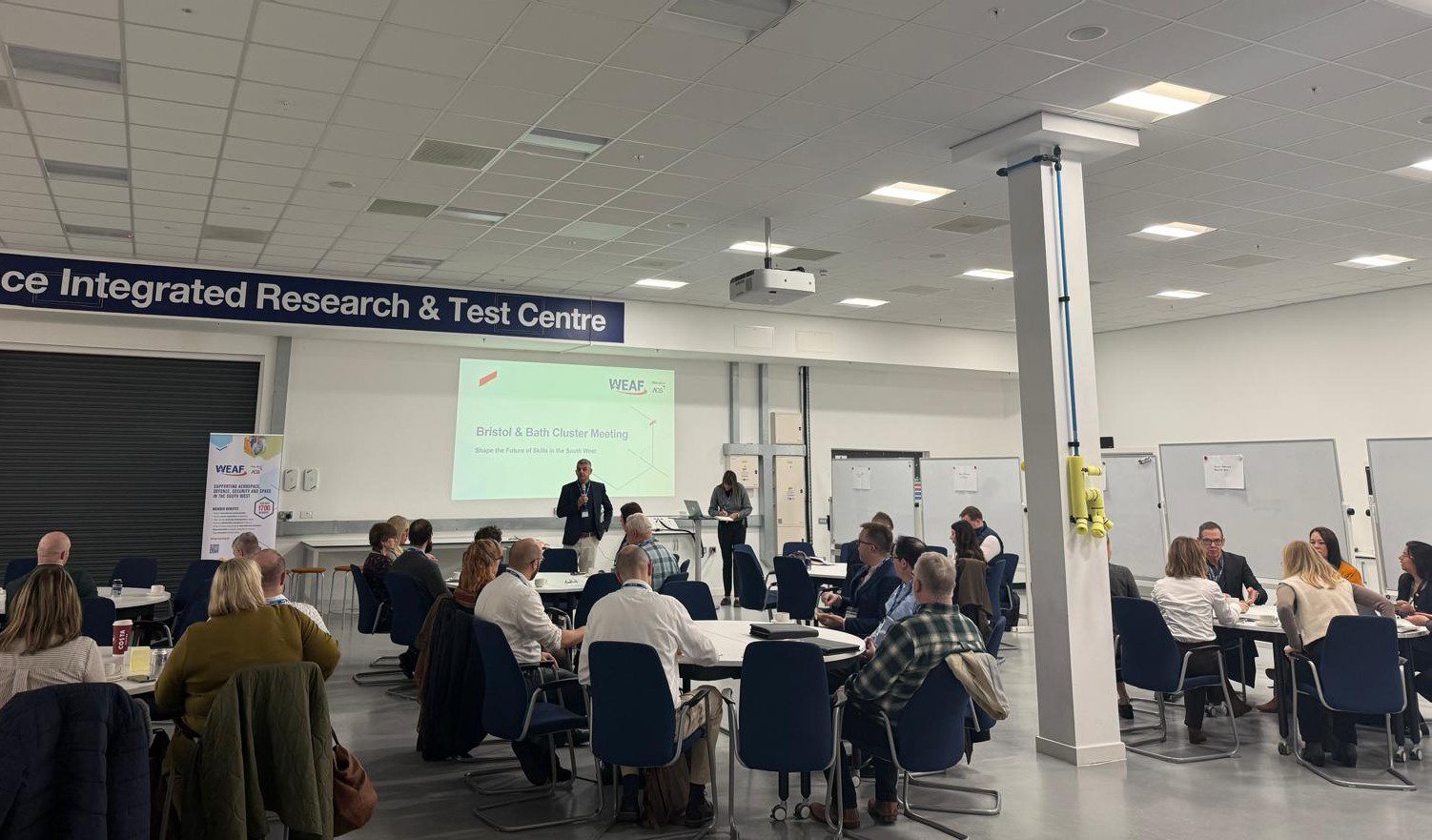
We recently welcomed members and partners to the latest Bristol & Bath Cluster meeting at the Airbus AIRTeC Centre in Filton. Bringing together industry, education providers and regional stakeholders to explore how we collectively shape the future skills pipeline for aerospace and advanced engineering in the South West.
The session focused on workforce pressures facing the sector, emerging technologies, and how stronger collaboration across the region can help ensure businesses of all sizes have access to the skills they need.
Opening remarks and regional update
The event was opened by Ed Raggett, who updated delegates on the transition of WEAF activity into ADS South West from the beginning of April 2026.
He highlighted the continued importance of the South West as one of the UK’s leading aerospace, defence and advanced manufacturing regions, particularly in supporting defence capability and national growth. Ed also outlined how the new ADS South West structure will build on WEAF’s established regional network, with specialist action groups and cluster activity continuing to play a key role in connecting industry, sharing knowledge and representing member priorities.
Building the future workforce
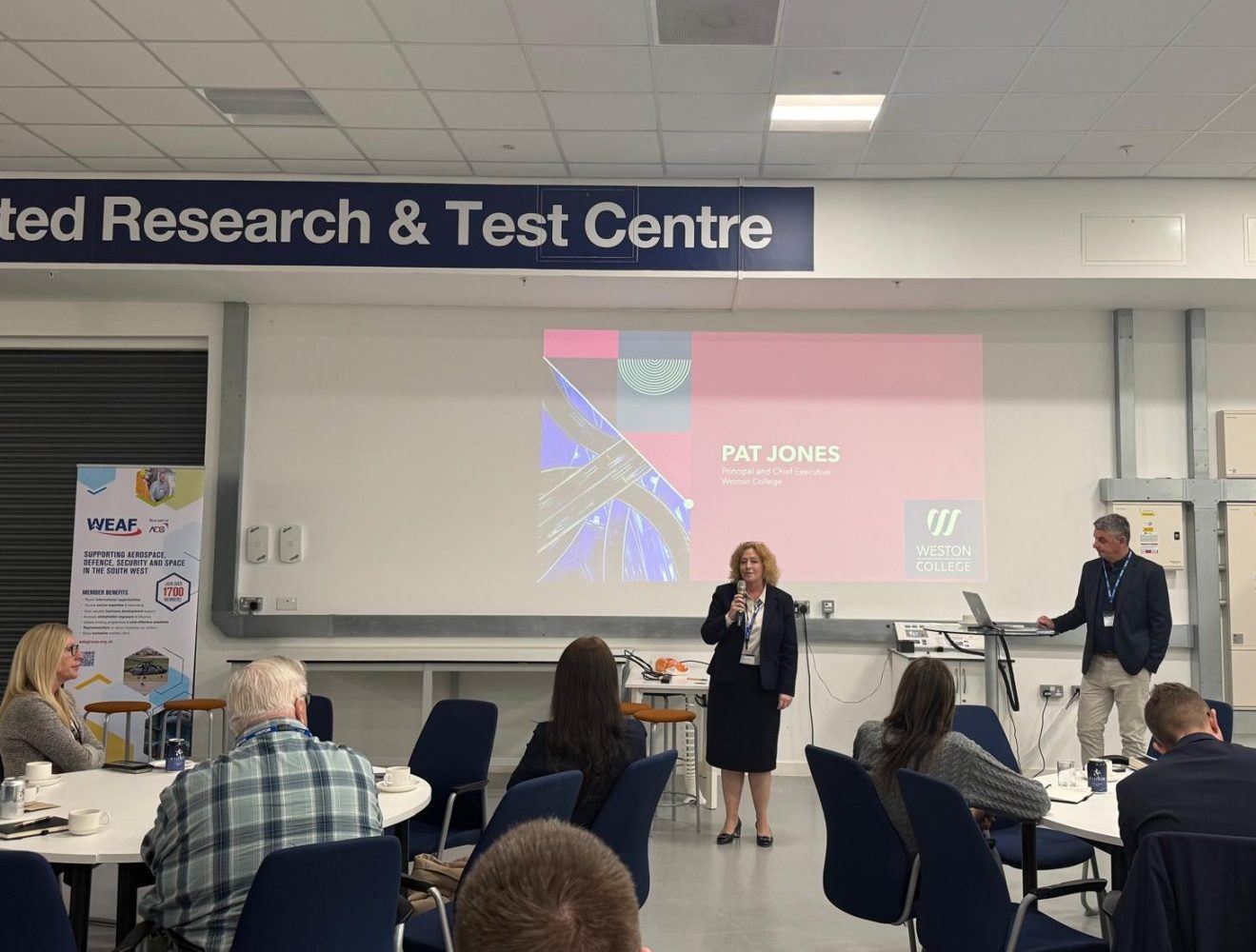
A central focus of the meeting was the proposed Aerospace Skills Academy in Filton, introduced by Weston College.
Due to launch in September 2026, the academy aims to help address workforce shortages across the regional aerospace cluster while strengthening links between employers and training providers. Developed with industry partners, the initiative is intended to ensure that future training provision reflects real business needs and supports long-term regional growth.
The importance of employer involvement in shaping both curriculum and delivery was emphasised throughout, particularly to ensure that provision works not only for primes but for SMEs across the supply chain.
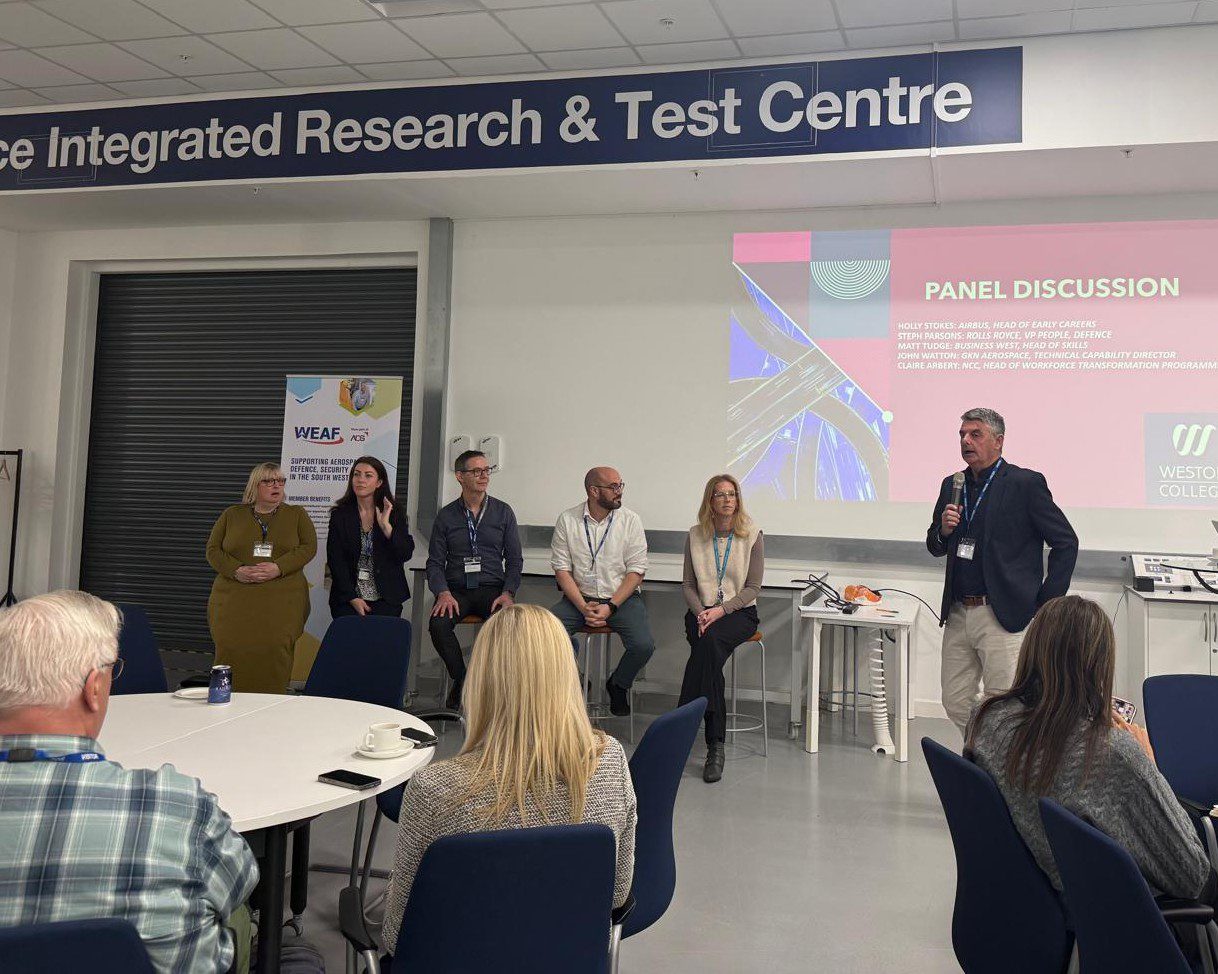
Panel discussion: skills challenges across the sector
The panel session explored how workforce needs are changing across engineering and manufacturing, with contributions from organisations across industry and the wider skills landscape.
Speakers discussed how rapid technological change is reshaping the sector, with growing demand for skills in digital technologies, AI, robotics and automation alongside traditional engineering expertise. As roles evolve, organisations are increasingly looking for people who can adapt, learn continuously and work across disciplines.
At the same time, the discussion made clear that core manufacturing skills remain essential. Machinists, fabricators and welders continue to be critical to meeting production demand, even as new technologies are introduced. Emerging areas such as hydrogen technologies and next-generation aircraft were also highlighted as creating demand for specialist technical knowledge.
Panellists reflected on the realities faced by SMEs across the supply chain. While large organisations often attract high numbers of applicants, smaller businesses can struggle to compete for talent and retain skilled employees once trained. The cost of training, competition for skilled workers and limited recruitment pipelines remain ongoing challenges.
A strong theme throughout the discussion was the need for closer collaboration between industry, education and government. Participants highlighted the importance of engaging young people earlier through STEM activity, improving perceptions of careers in engineering, and ensuring training programmes remain aligned to evolving industry requirements.
Examples of practical collaboration were shared, including an upcoming SME engagement event hosted at the National Composites Centre, which will help connect employers with potential candidates and support recruitment across the supply chain.
Workshop: Identifying priorities together
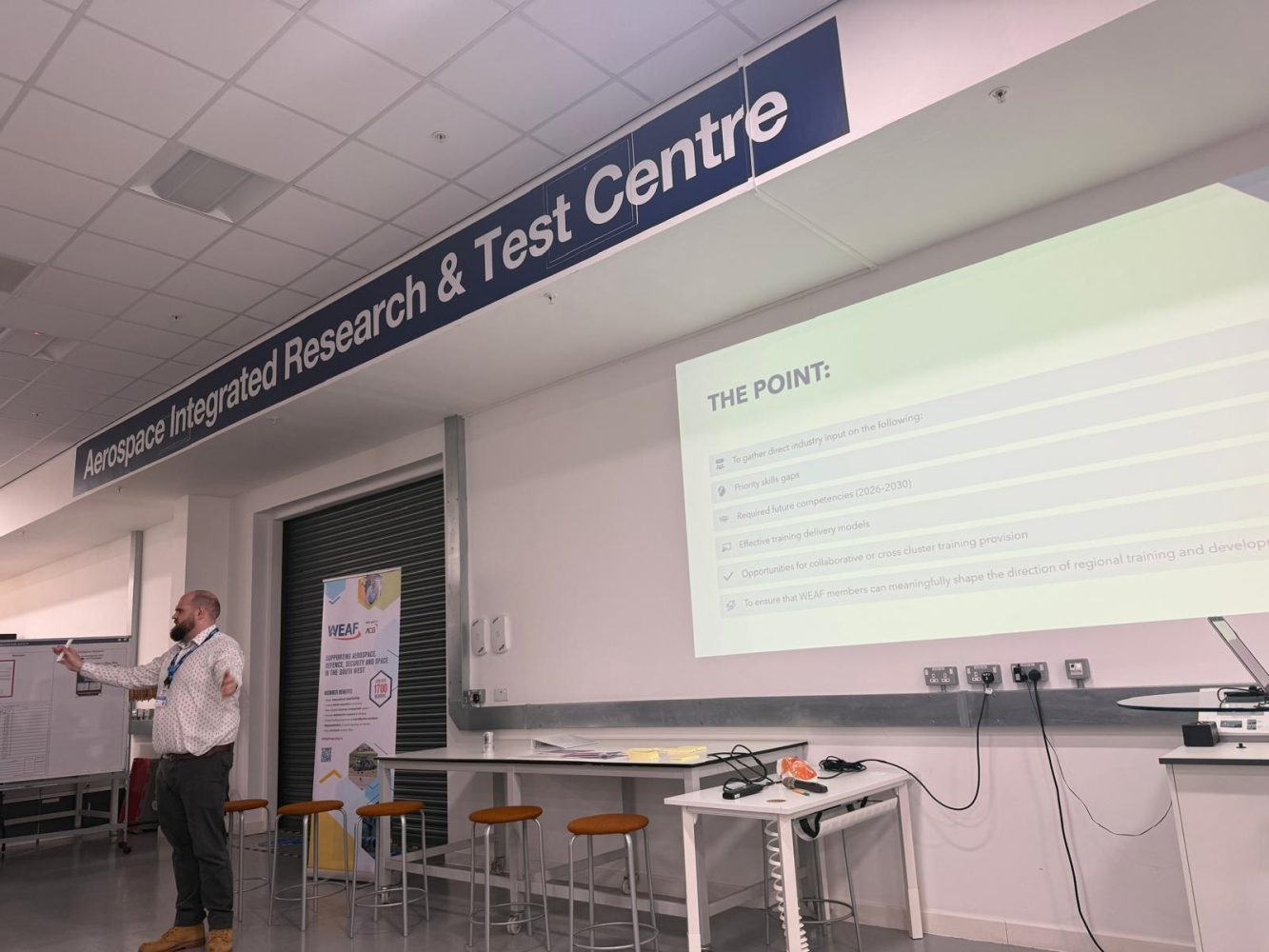
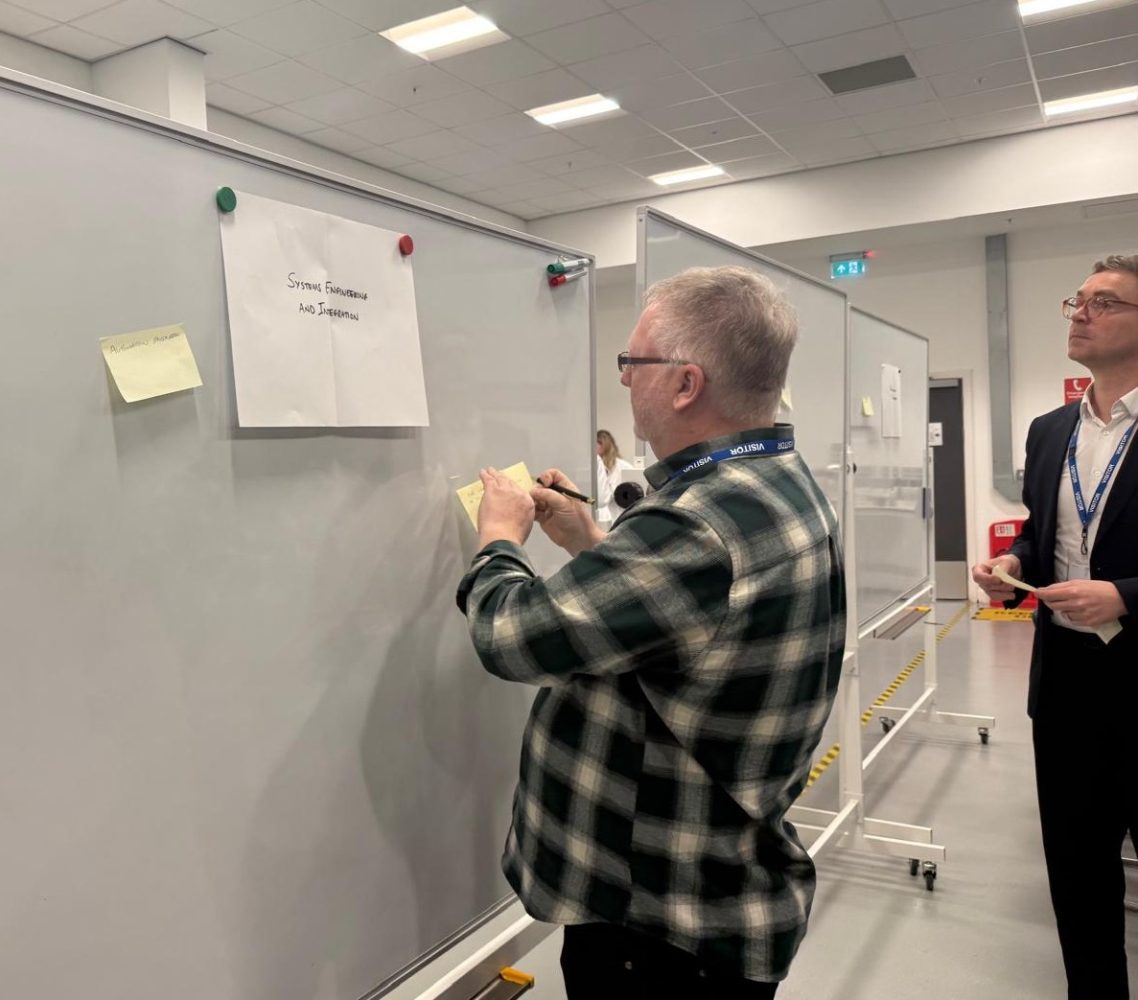
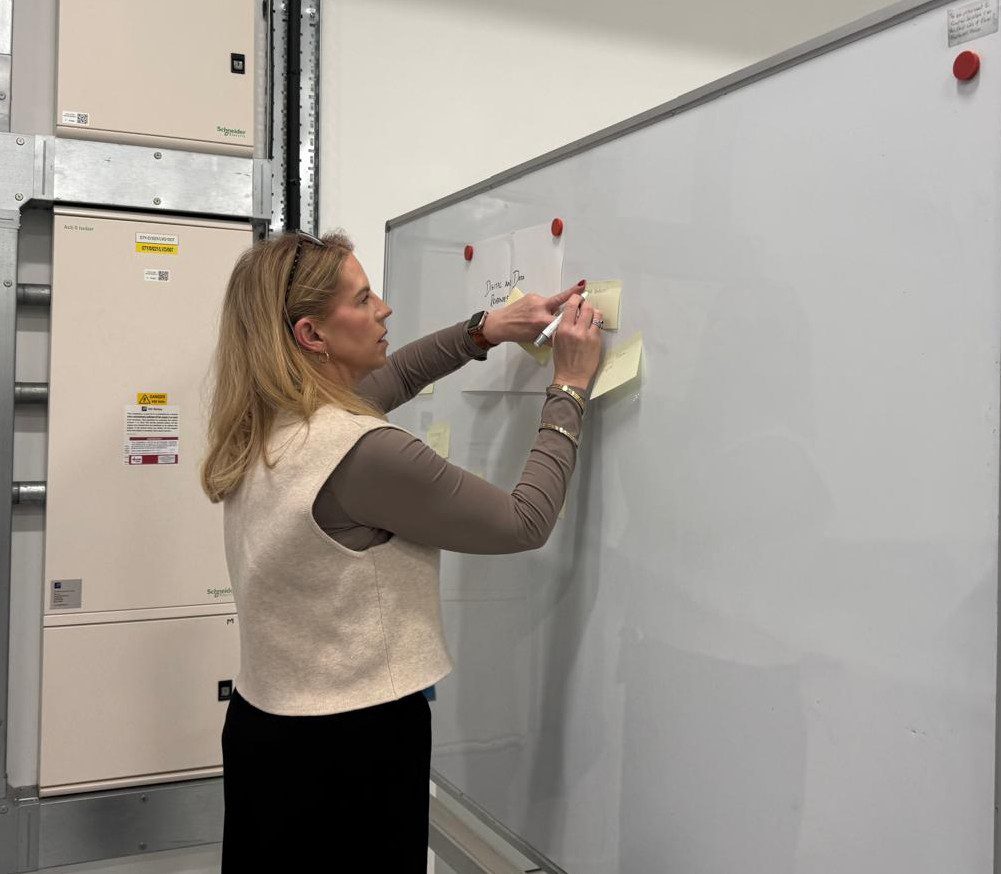
The event concluded with an interactive workshop session, where attendees worked in groups to identify key skills gaps across the sector and explore potential training responses.
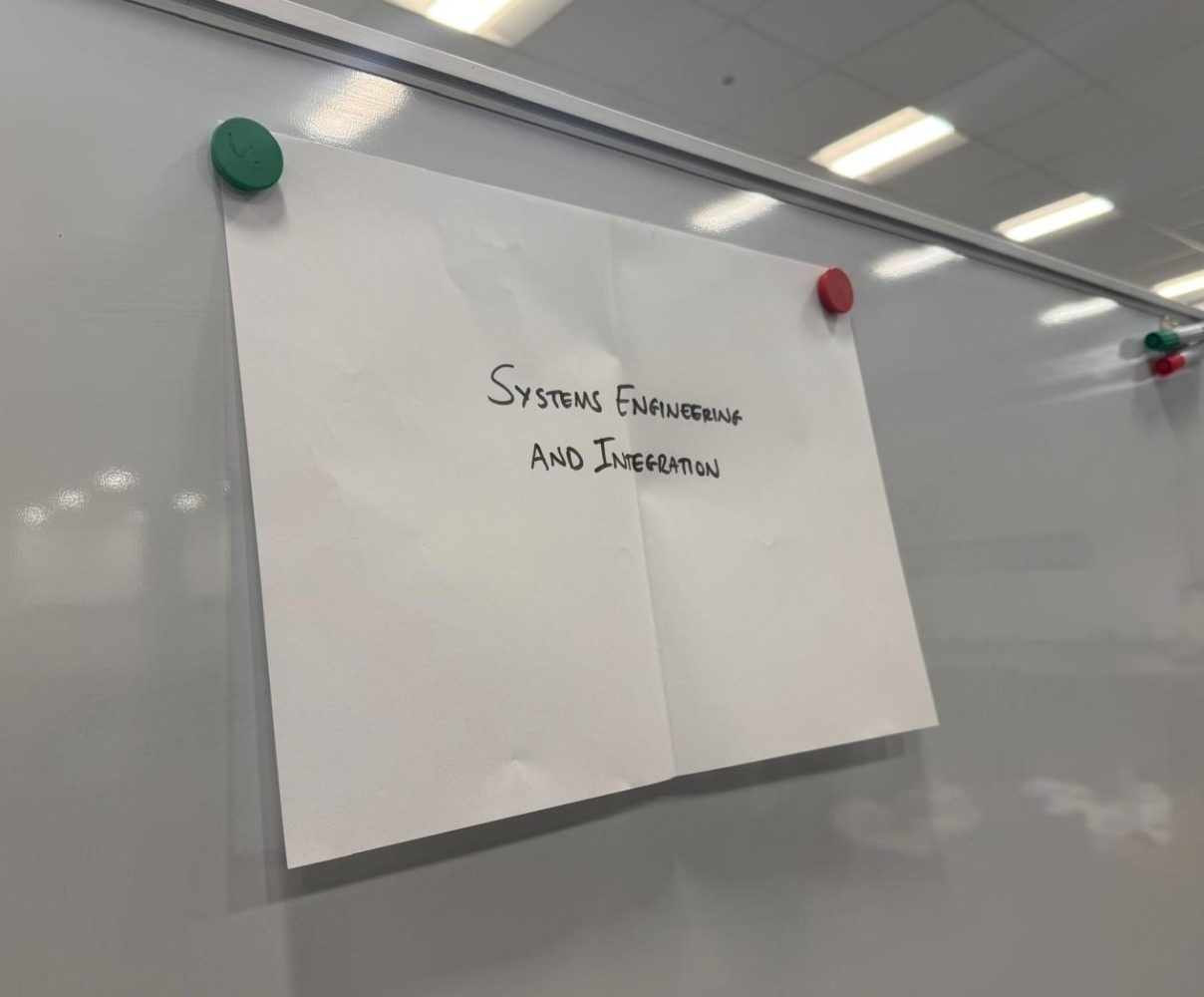
Participants discussed priority areas including digital readiness, advanced manufacturing, systems integration, leadership capability and supply-chain skills. Groups shared examples of training approaches that could help address these gaps, before feeding back their insights in a short closing session.
The workshop reinforced the value of designing skills provision in partnership with industry and highlighted the willingness across the region to work collectively on solutions.
Continuing the conversation
The Bristol & Bath Cluster meeting demonstrated the strength of engagement across the South West and the shared recognition that developing the future workforce will require sustained collaboration between industry, education providers and regional partners.
As WEAF transitions into ADS South West in April, these cluster discussions will remain central to ensuring the region’s voice is heard and that practical, industry-led solutions continue to be developed.
Thank you to Airbus for hosting the event and providing lunch, to the members and partners who attended, and to our membership consultant Ian Davies for facilitating, we look forward to continuing the discussion.